Call Me a Risk-Taker
✏️ Authorship Note (click to expand)
This piece is 100% human-authored. No AI assistance was used in writing, editing, or proofreading this content. What you read here represents my authentic voice and personal perspective.
📚 Essay Submission Note (click to expand)
This piece was seelcted as the Personal Statement of my college application.
Some students have a background, identity, interest, or talent that is so meaningful they believe their application would be incomplete without it. If this sounds like you, then please share your story.
A lot can go wrong on a dive.
That's what I was thinking on my final day in Bali, on my last dive of the trip. Due to ocean currents, I hadn't had any major sightings that week. I was desperate to encounter Bali's famous manta rays. But to have a chance meant diving deep to the seabed. At that depth, the risk of nitrogen narcosis increases. Even in an emergency, I couldn't ascend quickly without the potential for decompression sickness. And, of course, there was a chance I would see nothing but plain seabed. Still, I was tempted…
Call me a risk-taker, if you like. It's who I've been since childhood. My parents divorced when I was in sixth grade, following two years of contentious disputes. I suddenly had to commute between two households, and it felt like I was perpetually a guest in both. Plus, just one month after the divorce was finalized, my mother invited my new stepfather to move in. Yet, for all the bad, there were good things about the new arrangement, too.
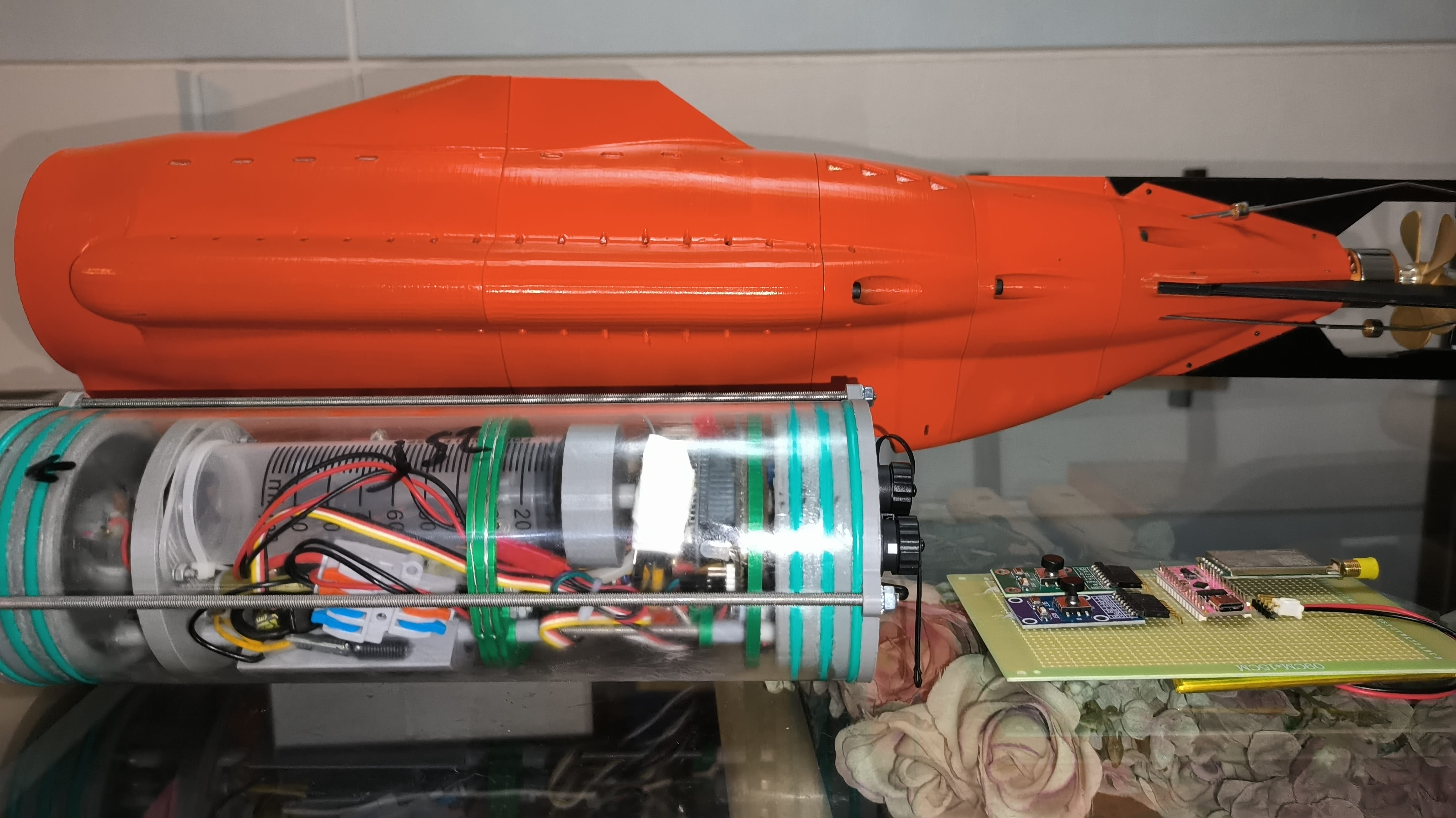
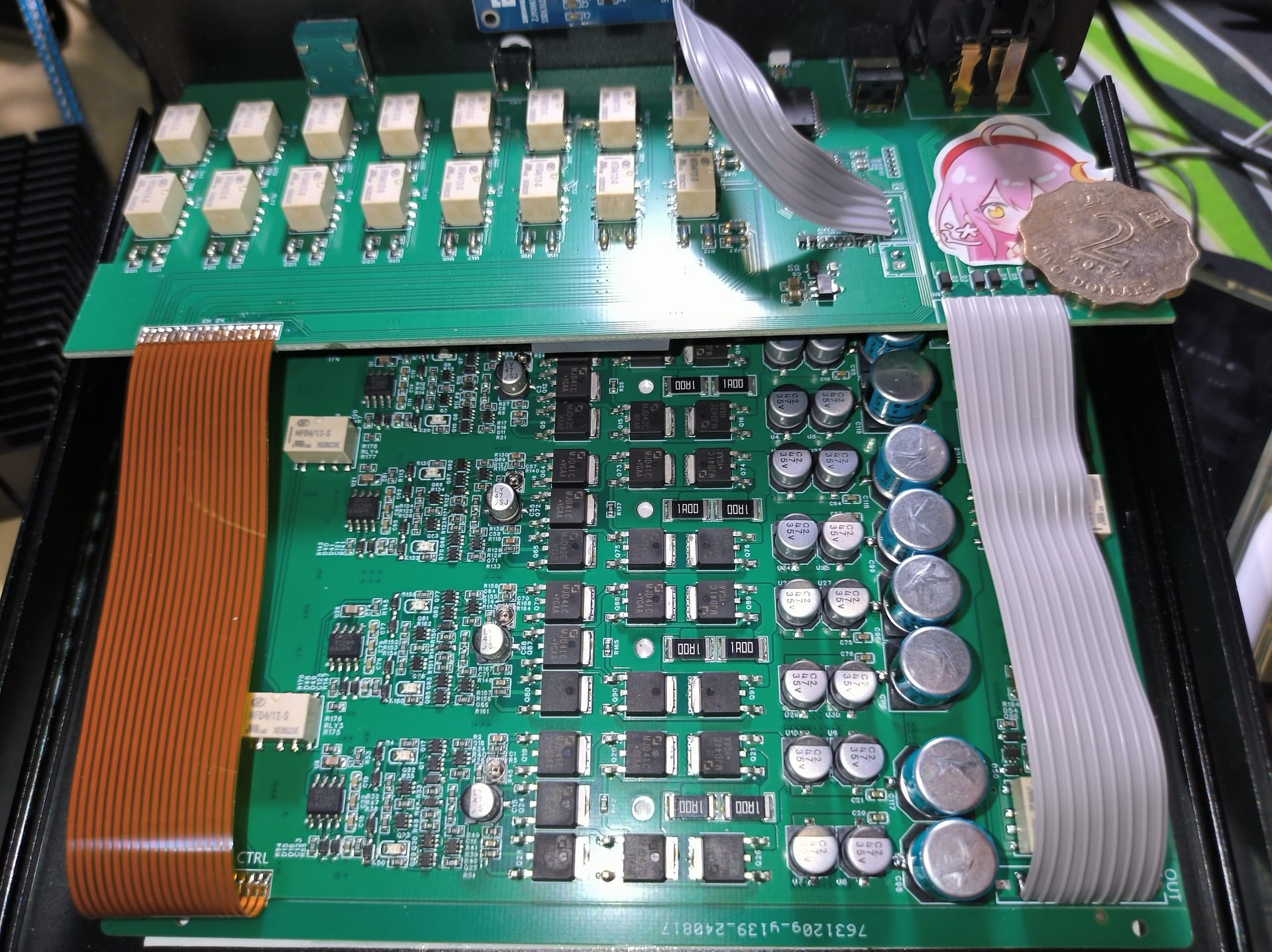
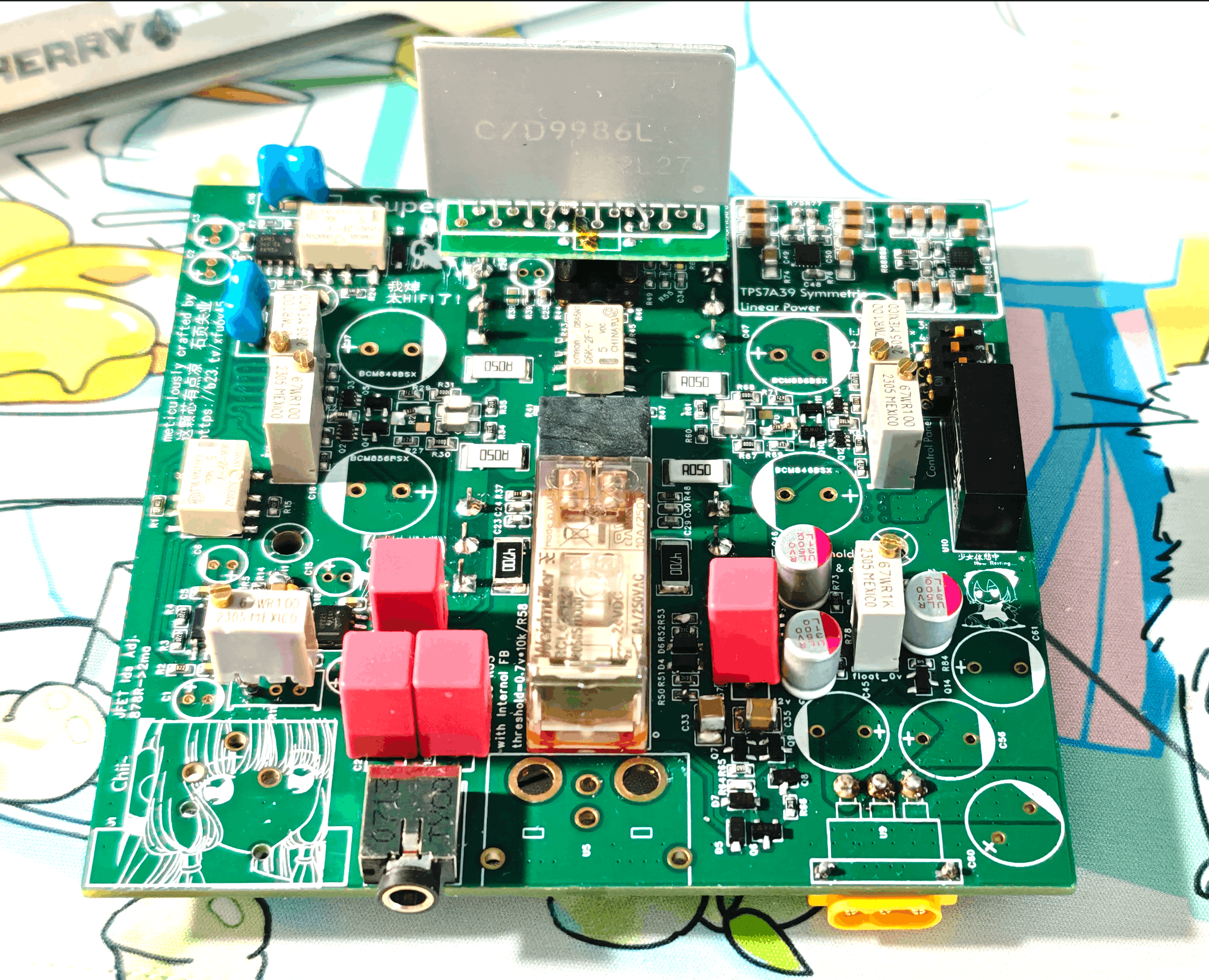
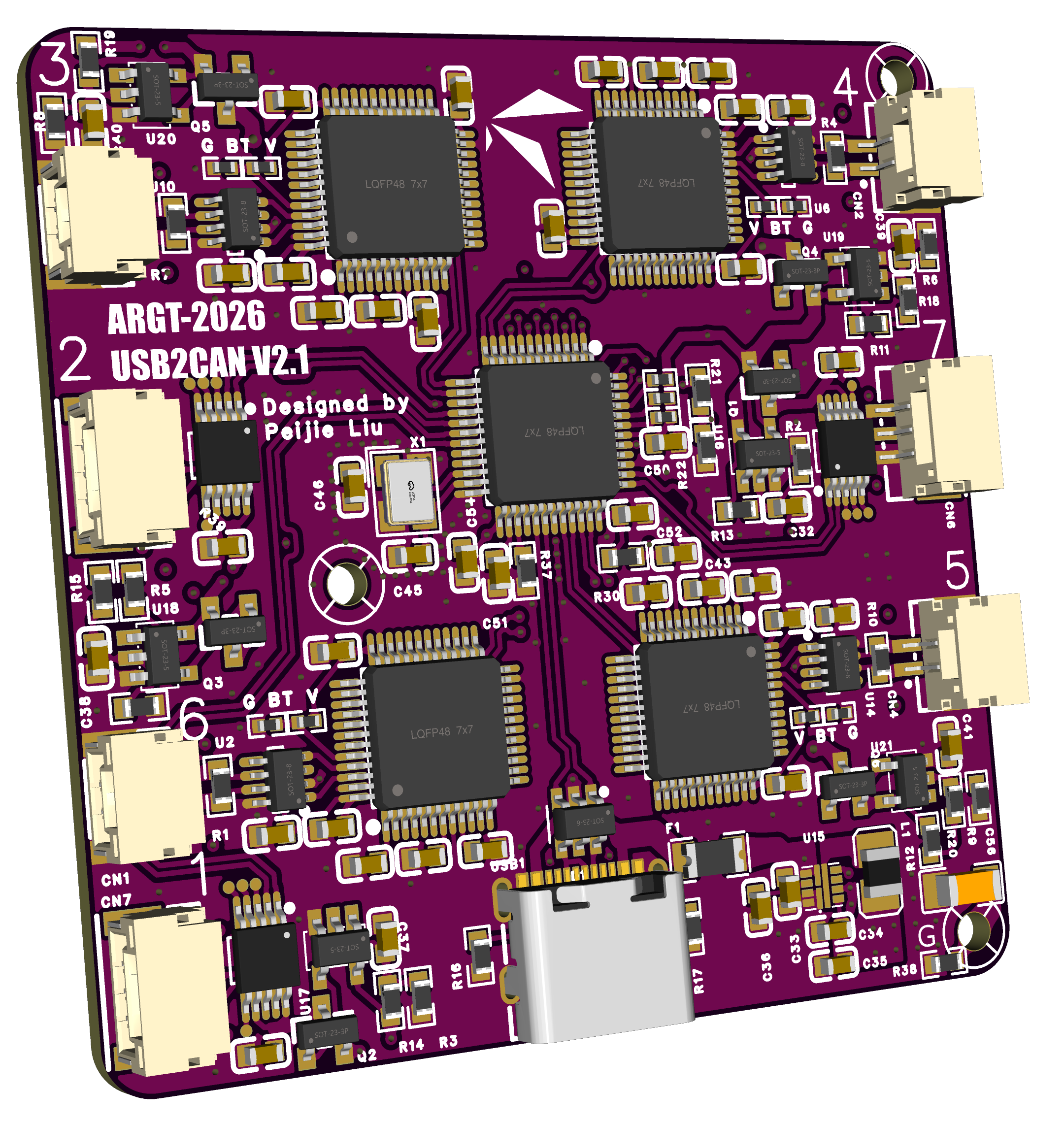
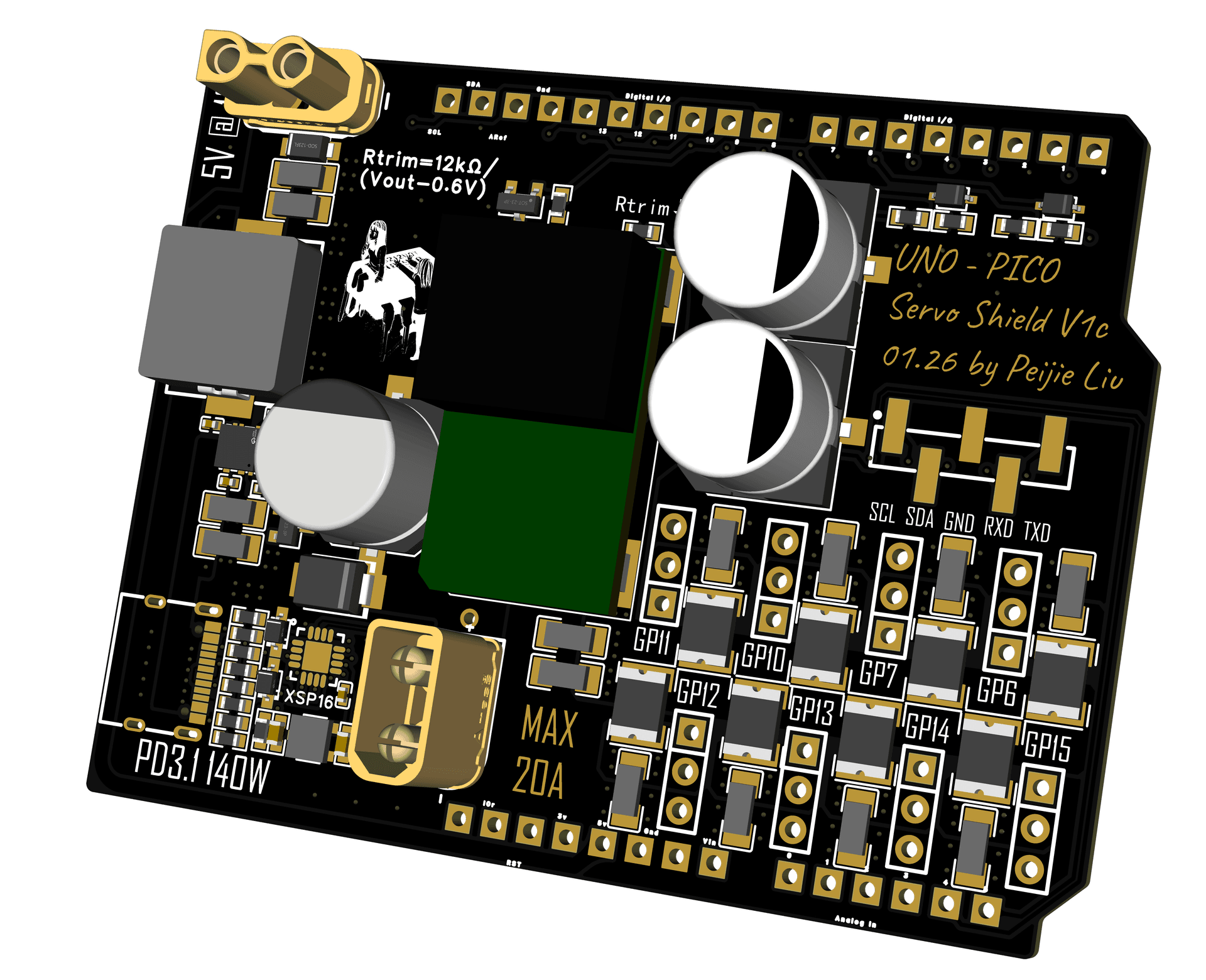
As long as I can remember, I've loved tinkering with electronics: taking things apart, putting them back together – sometimes in new ways. As I adjusted to the divorce, my tinkering evolved. At first, it was an excuse I used to avoid having lunch with my recombined family. "I have an experiment running, can't stop now," I would explain. In time, I came to see that my stepfather was respectful and curious; he often joked about the engineering supplies in my room, guessing their uses and principles, which I gratefully recognized as encouragement. But that was later.
Left to my own devices, I got into the habit of going to sleep early. Then, around two a.m., I would wake up again. In the quiet of the night, I would put on my headphones and immerse myself in my workshop, granting myself free reign to experiment. It was the one place where I could safely rebel, challenging the way things "had" to be. It didn't always end well. I screwed up my model airplane when I tried replacing traditional wings with cling film. When I attempted to modify our home's induction cooktop into a high-frequency furnace to melt metal (I wanted to cast a handmade gift for my mother's birthday), the capacitor overheated and burst after just two minutes. However, I learned to own the decisions I made, and my identity as a risk-taker opened the door to so many opportunities beyond my makeshift lab – none more meaningful than diving.
I've always appreciated the stakes of diving. At thirty meters underwater, the environmental pressure reaches four times that of atmospheric pressure – enough that, if one were to surface directly from this depth, the air in the lungs would instantly expand to four times its volume. But at the same time, some of the most awe-inspiring things I've ever seen are thirty meters underwater. I fell in love with both the risks and the rewards.
That afternoon in Bali, I pulled an experienced dive guide from the resort and headed out under the setting sun. At depth, as bone-chilling water seeped into my wetsuit, I forcefully inserted a spotlight into the silt lining the sea floor. I turned my light beam towards the surface. Soon – too soon – my dive computer's alarms started counting down, and the guide began preparing to ascend. But my final attempt worked: my light beam suddenly illuminated a squadron of manta rays. As they glided over me, just one meter above, I felt so lucky.
Call me a risk-taker. It's an identity I embrace, because how else could I have gotten to that Balinese seabed, manta rays streaming leisurely over my head? A lot can go wrong on a dive, in an experiment, or anywhere else, for that matter. But a lot can also go right.
Thanks for reading. If you enjoyed this piece, check out my other Stories & Writings.
Want to dive deeper into my technical work? Explore my Technical Portfolio.
For ongoing updates and quick technical notes, check out the Tech Notes.